This class is part of Barbara Fugate’s Explore Color, Painter by Painter series.
Medium: Applicable to artists working in all mediums
Level: All levels welcome
Class Dates: Wednesdays, October 14-28, 2026
Class Times:
• 11:00 am-1:30 pm Pacific time
• 2:00 pm-4:30 pm Eastern time
• 7:00 pm-9:30 pm UK time*
* please note that class on October 28th will take place at 6:00 pm-8:30 pm UK time due to daylight savings time ending on October 25
This three-session course looks at 20th century artists who explored the color gamut, from objective to subjective color approaches. These artists searched for the purity of color experience, pushing color to the limit using intense hues to express the “here and now”, symbolize spirituality, and create optical experiences.
You’ll make sketchbook color studies in the manner of each artist using a variety of media, including gouache, watercolor, artist crayons, and color pencils. Your subject matter will vary depending on the artist being studied, including still life, landscape, portrait, or abstraction.
A brief description of each session’s color experiments:
1. Matisse: Color with Black. Black is typically used to shade color, darkening its value. Matisse, however, used it in a different way. He used black more like a color, juxtaposing it against colors to amplify their intensities, increase contrasts and provide a visual anchor in the painting. He also used color intensity to flatten and abstract the space of his interiors and figure paintings.
2. Rothko: Color as Meditation. Rothko’s abstract paintings take time to experience. The softly brushed color fields change and move the longer you observe them, revealing their emotive powers over time. Specific color pairings provide a space for viewers to explore how color communicates a range of emotions and spirituality.
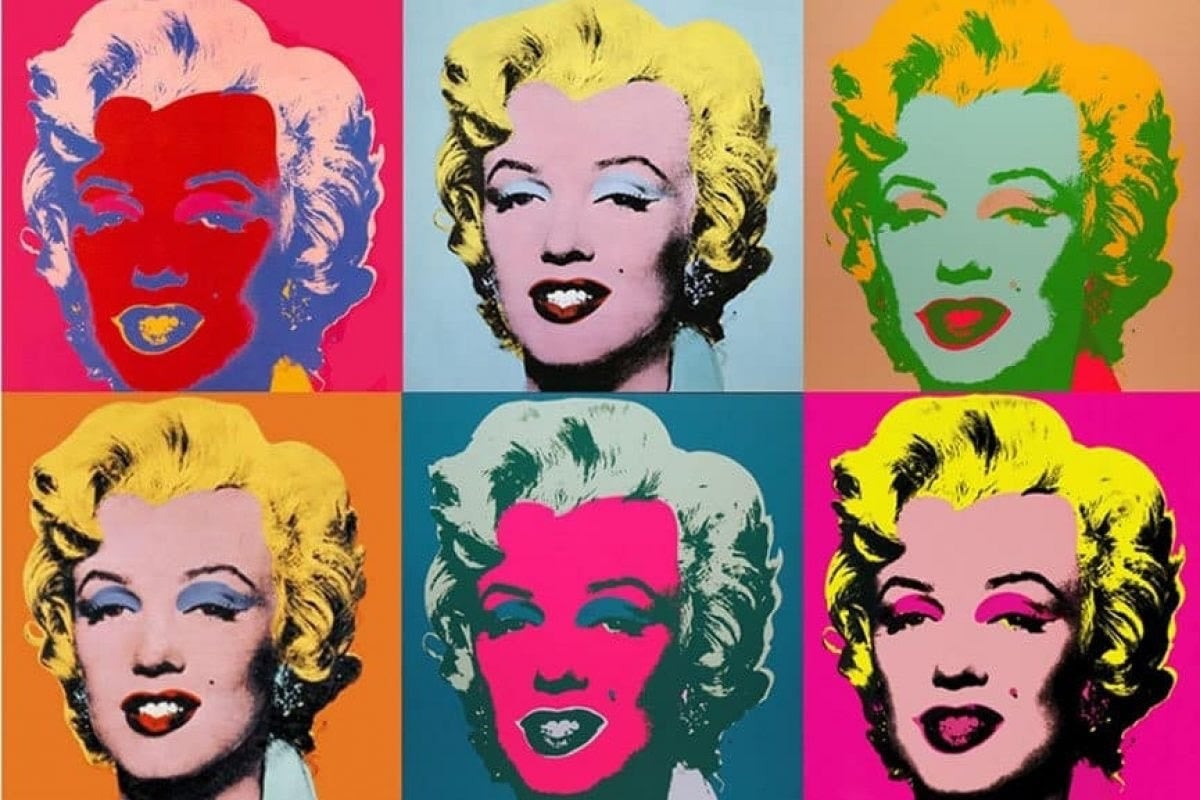
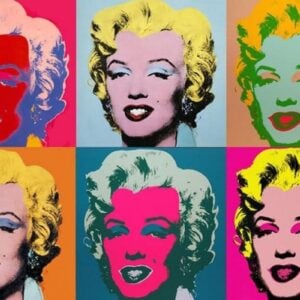
3. Pop Art: Color for Attention. Bold and bright primary colors dominated Pop Art to mirror and critique mass-consumer culture. Andy Warhol and Roy Lichtenstein both applied color flatly to look like commercial printing and comic books, rather than using it to evoke emotional depth or to create an illusion of realism. These paintings are full of energy, dynamism, and even humor.


 Barbara Fugate is a painter committed to making drawings and paintings that express life rather than imitate it. Discovering and experiencing “how things are” rather than “what they are” continues to inspire and drive Fugate’s art and art instruction. Fugate received a BFA from Western Kentucky University and a MFA in painting from Miami University of Ohio. Fugate has taught expressive drawing and painting classes and workshops in Seattle, as well as international workshops for over 25 years. Schools where Fugate has taught include Gage Academy of Art, Seattle Pacific University, Metchosin International Summer School of the Arts (Victoria, BC), La Conner Art Workshops, as well as her own Seattle Weekend Art Workshops. Fugate’s artwork is published in “The Best of Drawing and Sketching” by Terry Sullivan, “Landscape Painting” by Mitchell Albala, and Margaret Davidson’s book, “Contemporary Drawing”.