This class is part of Barbara Fugate’s Explore Color, Painter by Painter series.
Medium: Applicable to artists working in all mediums
Level: All levels welcome
Class Dates: Wednesdays, September 9-23, 2026
Class Times:
• 11:00 am-1:30 pm Pacific time
• 2:00 pm-4:30 pm Eastern time
• 7:00 pm-9:30 pm UK time
This three-session class explores the emotive power of color. Practice inventing color combinations (rather than choosing local colors) based on three different concepts: personal expression, imagination, and raw emotion.
You’ll make sketchbook color studies in the manner of each artist using a variety of media, including gouache, watercolor, artist crayons, and color pencils. Your subject matter will vary depending on the artist being studied, including still life, landscape, and abstraction.
A brief description of the focus for each session’s color experiments:
1. Van Gogh: Color as Personal Expression. Colors held specific meaning to Van Gogh, as he noted in frequent letters to his brother, Theo. Van Gogh juxtaposed his expressive colors in ways that amplified their visual and emotional impact, which still captivates and moves us today.
2. Kandinsky: Color without Rules. Kandinsky sought to paint the sounds of music, and the deep emotions music can evoke. Kandinsky rejected color rules, freeing his color choices to be guided only by how the colors “sound” and “feel” together. In this way, Kandinsky made some of the earliest pure abstractions. As he wrote in his book, Concerning the Spiritual in Art, “Color is a means of exerting direct influence upon the soul, …Color is a keyboard. The eye is the hammer. The soul is the piano, with its many strings.”
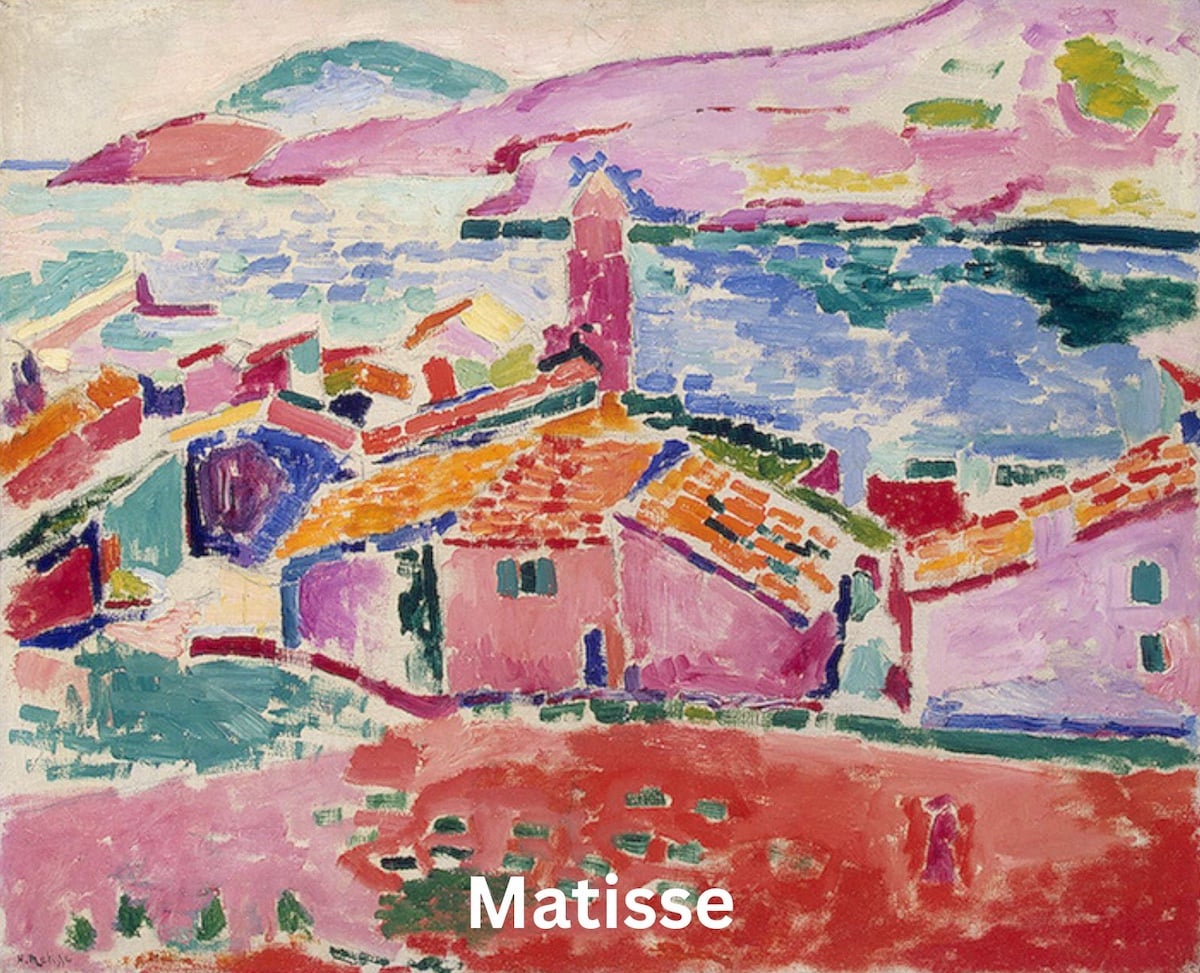
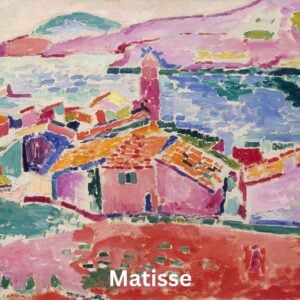
3. Fauves: Color that Excites & Delights. In 1905, Matisse and Derain painted together at a seaside village on the Mediterranean coast. They explored a new way to make paintings with wild colors that electrified future Modernist painters. Matisse and Derain chose pure colors applied with energetic brushstrokes which imaginatively convey the dazzling light and joyful colors of their surroundings.


 Barbara Fugate is a painter committed to making drawings and paintings that express life rather than imitate it. Discovering and experiencing “how things are” rather than “what they are” continues to inspire and drive Fugate’s art and art instruction. Fugate received a BFA from Western Kentucky University and a MFA in painting from Miami University of Ohio. Fugate has taught expressive drawing and painting classes and workshops in Seattle, as well as international workshops for over 25 years. Schools where Fugate has taught include Gage Academy of Art, Seattle Pacific University, Metchosin International Summer School of the Arts (Victoria, BC), La Conner Art Workshops, as well as her own Seattle Weekend Art Workshops. Fugate’s artwork is published in “The Best of Drawing and Sketching” by Terry Sullivan, “Landscape Painting” by Mitchell Albala, and Margaret Davidson’s book, “Contemporary Drawing”.